Deviance in Youth as a Result of the Foster Care System in the United States and Canada

As his parents continue to struggle, Ralph does not understand the situation that he is being placed in. Ralph thinks that it is his fault but is too young to understand what is actually happening. The moments where Ralph’s father continues to leave the house are kept hidden and forces him to feel unsafe. As depression kicks in, Ralph does not know what to do.

“Do I really have to leave my family? What is going on? I might need serious help. I hope there is someone out there who will tell me what is going on with my family and will actually care for my well being”.

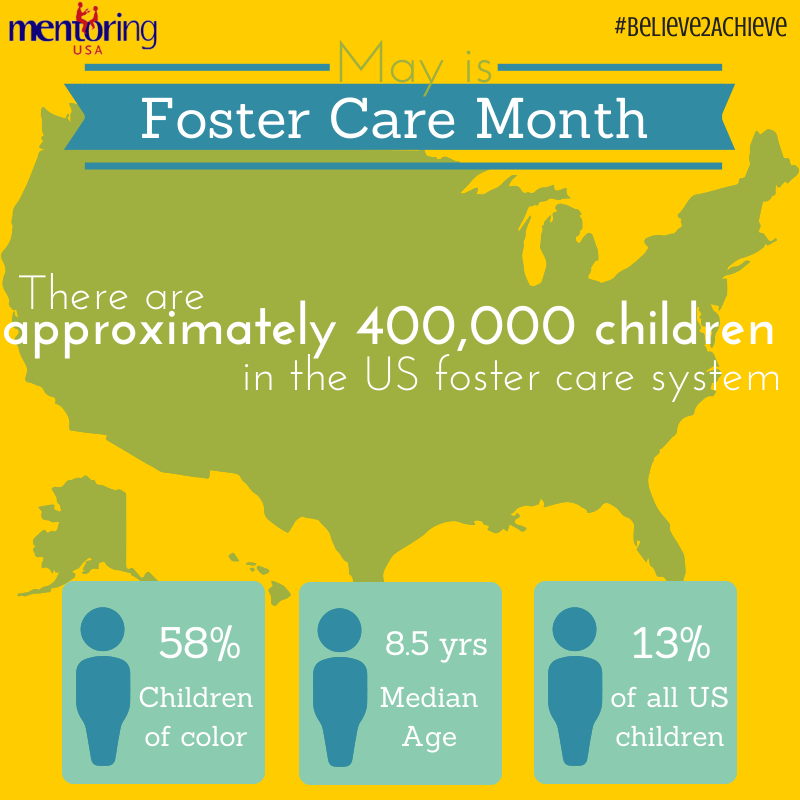
Foster care sounds like a child’s worse nightmare, but the living situation at home could damage a child’s psychology for the rest of their lives. There are growing numbers of children in foster care all over North America, for many reasons, most of which are not the fault of the child, or even of the parents. The rise in substance abuse correlates with the need to take the children out of the home, and quality of life for youth takes a toll. Of course, every state and demographic differ in why these numbers are rising, but there is good indication that the way countries’ governments perceive the children’s well-being creates the foster care environment. I argue that Canada’s approach to foster care may be counterproductive, and statistics in drug abuse and academic performance could be indicators of lower standards than in the U.S.
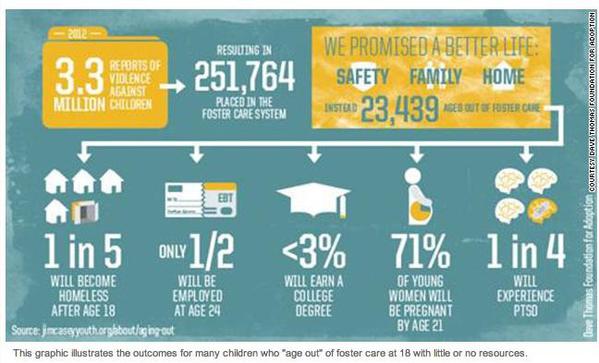
In the United States, the Department of Health and Human Services continuously address the rise in numbers that are being calculated at the end of each fiscal year since 2015. The Acting Assistant Secretary for Children and Families issued a statement saying:

“The continued trend of parental substance abuse is very concerning, especially when it means children must enter foster care as a result. The seriousness of parental substance abuse, including the abuse of opioids, is an issue we at HHS will be addressing through prevention, treatment and recovery-support measures.”

Clearly, the issue is more complex than the conditions that children face in foster care, and while the goal is to improve their childhood well-being away from home, the primary policy goal is to prevent a child from having to enter foster care in the first place. Keeping a child at home and improving families is a better approach, in some cases, than opting for a complete change of living for a kid.

As Canada is in the highest percentile in terms of quality of life in the world, its worth looking at the micro-level: the children’s’ developmental environment. According to the University of Texas, children are also seeing rising numbers in foster care, but differ in their system and policies. For Canada, they base the decision to pull a child from their home on a “child safety” approach that immediately takes the child out of the home if they feel that they are in danger. A better situation is not always promised when there is an overflow of capacity.

Case studies conducted by Boyd et. al. (2016) find that “the role of state interventions in perpetuating the marginalization that occurs [in] young people’s lives… increase their vulnerability to police and criminal justice encounters.” Particularly in Canada (Vancouver), policies stripping children away from their parents without the resources to provide improved care can be counterproductive, leading young people to illicit drug use and homelessness. Although this is also likely to happen in broken homes, the shock of pulling kids out of their families instead of providing counseling might be a bigger problem in the country (Barron, n.d.). The lack of data keeping track of those in the foster care system makes this even harder to analyze compared to the U.S. However, the Huffington post states that data still shows Canada “ha[ving] one of the highest rates of kids in care in the world,” going on to acknowledge how news headlines are reporting a crisis where some children have even died while receiving service (2015). What does this mean for the future working-class generation?

Part of the assessment can be linked to patterns of youth deviance such as drug use, academic performance, and relationships. Statistically in Canada, 60% of illicit drug users in Canada are between 15 and 24 (Canadian Centre for Addictions, 2015). Although drug use is highest among people in their late teens and twenties in the U.S., it was still kept to “22.6 percent of 18- to 20-year-olds reported using an illicit drug in the past month,” while drug use is actually increasing in those aged 50 to 60s. This highlights the problems at home and who is being affected in the two countries, where it might suggest that the U.S. faces the problem more at the parenting level. To compare levels of academic performance, it is difficult to conclude a correlation between the factors that we’re looking at here, especially since there are more similarities than differences. Both, as a whole, do reasonably well in retaining students and their performance throughout primary, secondary, and tertiary education.
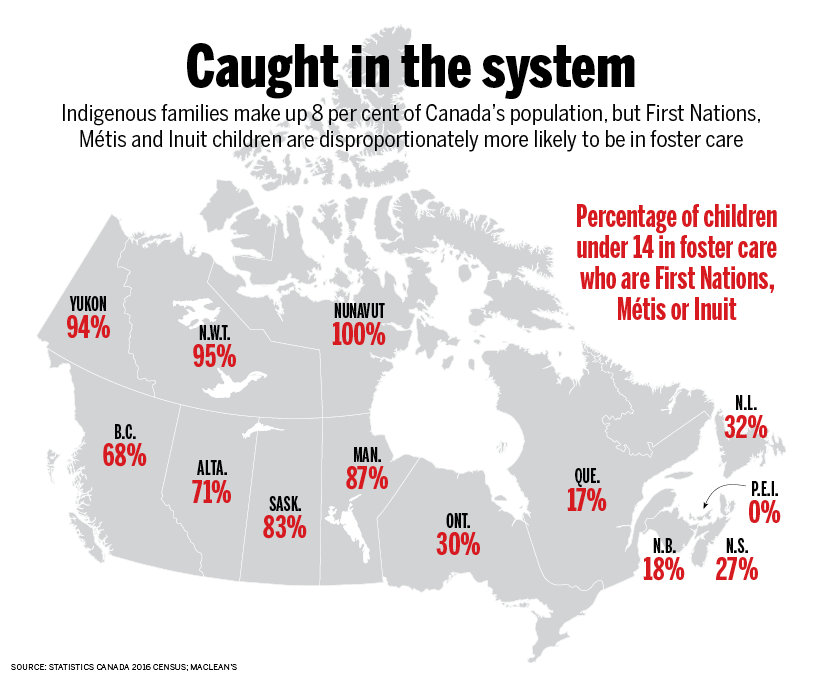
Without a full-fledged statistical analysis, it seems that Canada and the U.S. face distinct problems in their policies and how they approach children from broken families. Many more indicators can be analyzed in assessing performance of installed programs, but the countries have different demographics. As usual, the issue is more complex than cause-and-effect, but with that being said, rising numbers and lack of resources in Canada calls for revisiting their policies on foster care.

Resources

Barron, J. (n.d.) How do we compare? Looking at foster care systems around the world. University of Texas at Austin, Texas Institute for Child & Family Wellbeing. Retrieved from https://txicfw.socialwork.utexas.edu/how-do-we-compare-looking-at-foster-care-systems-around-the-world/

Barron, J. (n.d.) How do we compare? Looking at foster care systems around the world. University of Texas at Austin, Texas Institute for Child & Family Wellbeing. Retrieved from https://txicfw.socialwork.utexas.edu/how-do-we-compare-looking-at-foster-care-systems-around-the-world/ 16465722e362

Boyd, J., Fast, D., & Small, W. (2016). Pathways to criminalization for street-involved youth who use illicit substances. Critical Public Health, 26(5), 530-541. doi:http://dx.doi.org.libproxy.albany.edu/10.1080/09581596.2015.1110564

Brownell, M. and McMurtry, N. (2015) Why does Canada have so many kids in foster care? The Huffington Post. Retrieved from https://www.huffingtonpost.ca/marni-brownell/foster-care-in-canada_b_8491318.html

Canadian Centre for Addictions (2015). Teen drug abuse facts and their implications. Retrieved from https://canadiancentreforaddictions.org/teen-drug-abuse-facts/

Department of health and human services. (2017). Number of children in foster care continues to increase. Report retrieved from https://www.acf.hhs.gov/media/press/2017/number-of-children-in-foster-care-continues-to-increase

National Institute on Drug Abuse (2015). Nationwide Trends. Retrieved from https://www.drugabuse.gov/publications/drugfacts/nationwide-trends

Stigma behind abortion: how laws rely on attitudes in the UK and Australia

One pregnancy test down, Emma thinks the gadget is broken. She takes another the next day. Then another. By the fourth one it becomes obvious to her that it wasn’t flawed, and spends the weekend sitting on the floor and staring at the wall.

 “What are my parents going to say? Should I tell them? I shouldn’t tell anyone, actually. I’ll just go to the doctor. Is that even allowed? What if the doctor tells someone or judges me?”

 In England, she knows terminating a pregnancy is legal, but it isn’t that easy. Everyone knows its something that will be on the back of her mind forever, and she begins to question her own morality. Did she fail society because she was too young to have a baby and knows that she cannot properly care for a child? What does society expect from a woman, anyway? They can’t be perfect. The psychology behind getting an abortion does not make news headlines, instead only what lawmakers and protesters argue. It is a lot more personal than that. Looking at the UK and Australia, terminating a pregnancy seems like a simple and lenient process at the surface, but I argue that a lot of the process depends on continued stigma and attitudes of those directly involved, even years after any procedure takes place. Comparing the two countries, they are similar in that parts of it make it a crime for anyone aiding in terminating a pregnancy and other parts it is justified and legal.

Cockrill et. al. (2017) notes the three types of stigma behind young women deciding on having an abortion or who had one: internalized, felt, and enacted. Literature largely argues that women tend to justify or blame others as an excuse for having the procedure, or even fall into secretive behaviors because of condemnation and negative attitudes around the world.

Elective abortion is still seen by many as a “deviant” behavior, so laws depend on the attitudes of legislators. Rosen and Martindale 91975) analyzed the acceptance of “traditional norms of sexual behavior,” based on the idea that women who generally fall under the stereotype of the women’s role tend to get abortions. The findings back in 1975 predicted change in the feminist movement and push for changing societal norms. We see this happening in our own country and a lot in the Western world in general, so justifying an abortion seems to be a lot more accepted, however complying with the law can be difficult, and what is even harder is for a woman to deal with the stigma herself, especially when society convinces someone to shape their own thoughts about themselves.

@anthonytran

In England, Hogart (2017) analyzed narratives of young women to study stigmatization around having abortions. Their resistance to views on deviant behavior varied depending on their socio-economic situations, personal relationships, how they became pregnant, and their own values. Internalized stigma was seen as harder to deal with than struggling with societal norms, seeing that norms were more likely to be challenged than when women internalize the negativity or cannot morally justify the procedure themselves. This is notable because the right to an abortion in the UK was passed in 1967, where legal termination depends on the following:

  • That the pregnancy has not exceeded 24 weeks
  • The continuation of the pregnancy would involve risk to the life
  • There is a substantial risk that if the child is born they would suffer mental or physical abnormalities
  • That the abortion is necessary to prevent permanent injury to the physical or mental health of the pregnant woman

Therefore, the “ok” to proceed with an abortion can largely depend on the discretion of the doctor. They need to determine whether the pregnant woman is in a position that will lead her to damaged mental health if they continue with the pregnancy. The way that law is written in the UK largely creates a perception that abortion is a “near-criminal” act. In Northern Ireland, abortion is prohibited completely, but women are allowed to travel to have the procedure done. External views on what is simply a “medical procedure” can affect the mental health and self-perception of a woman and her family.

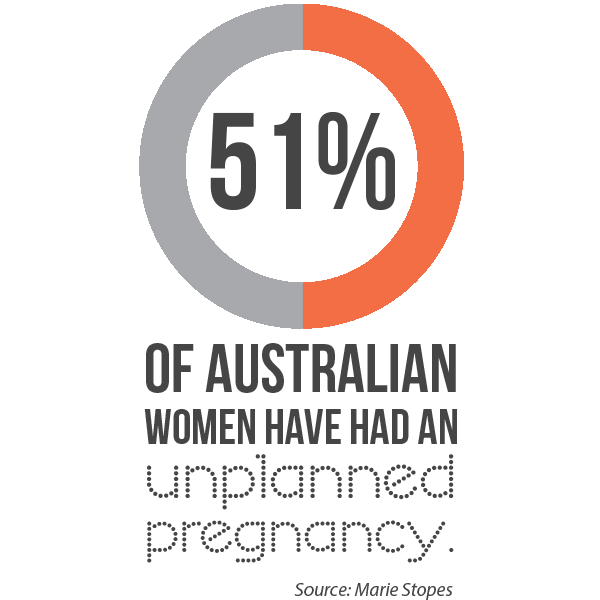
Looking at Australia, many would expect similar policies since they tend to see the two countries in the same light. Norris et al. (2011) claim that “[a]bortion stigma is affected by both by legislative initiatives that establish fetal personhood and gestational age limits and by discourses that influence cultural values.” This is despite the large numbers in abortions that Australian women have each year. The commonality does not account for the negativity that women feel about themselves. Most of the Australian states have similar policies, giving discretion to the doctor that the woman in question would face severe mental or physical damage if they continue with pregnancy, but how much is that decision based on the wording of the law or historical view of abortion as deviance? Further research should focus on qualitative analysis on the doctors themselves who might face scrutiny. Regardless, abortion in Australia is complicated. Two states, Queensland and New South Wales, continue to have laws in place where abortion is a crime. The rest follow the template of doctor’s approval and legal before the 20-24-week period (Willis 2018) However, access to these clinics is limited or nearly impossible in a lot of the country. This could be due to a lot of reasons but looking back at the way abortion is framed as societal deviance in the political discourse. It is available to women but remains in criminal codes (Ryan, 2014). How does this affect the doctors’ decisions? Even when they do go on with the procedure, women still keep it a secret.

https://www.childrenbychoice.org.au/factsandfigures/unplannedpregnancy

For more on Australia, visit: https://www.aph.gov.au/About_Parliament/Parliamentary_Departments/Parliamentary_Library/pubs/rp/rp9899/99rp01 (it is more extensive than I can summarize)

As a whole, both the UK and Australia follow a template that allows women to get an elective abortion. The fight for these rights involves justifying and countering the stigma and view of killing an unborn child as a deviant behavior, and the way it is written in law make it even harder for it to be accepted and seen as simply a medical procedure without tons of external implications. This hurts the mental health of a lot of people, not only the pregnant woman, but their families. Studies that I looked at in this report show that stigma can be looked at in different ways and obviously affect how women see themselves and make decisions, even though the legality of the medical procedure lets them decide, for the most part. The amount of people keeping it a secret might be the biggest red flag that it is far behind being accepted, even in the countries that are usually seen as free and with forward-thinking populations. If I had a solution, I would propose it. But when it comes down to how someone sees themselves, the roots of the problem are harder to define.

Work Cited

Boyle, MichaelP. 1, mboyle@wcupa. edu, & Armstrong, CoryL. 2. (2009). Measuring Level of Deviance: Considering the Distinct Influence of Goals and Tactics on News Treatment of Abortion Protests. Atlantic Journal of Communication, 17(4), 166–183. Retrieved from hus.

Cockrill K and Nack A, “I’m not that type of person…”: managing the stigma of having an abortion, Deviant Behavior, 2013 (forthcoming).

Cockrill, K., Upadhyay, U. D., Turan, J., & Greene Foster, D. (2013). The stigma of having an abortion: development of a scale and characteristics of women experiencing abortion stigma. Perspectives On Sexual And Reproductive Health, 45(2), 79–88. https://doi.org/10.1363/4507913

Hoggart, L. (2017). Internalised abortion stigma: Young women’s strategies of resistance and rejection. Feminism & Psychology, 27(2), 186–202. Retrieved from a9h.

Norris, A., Bessett, D., Steinberg, J. R., Kavanaugh, M. L., De Zordo, S., & Becker, D. (2011). Abortion stigma: A reconceptualization of constituents, causes, and consequences. Women’s Health Issues, 21(3 Suppl.), S49–S54.

Rosen, R. A. H., & Martindale, L. J. (1975). Abortion as “Deviance”; Traditional Female Roles Vs. The Feminist Perspective. Retrieved from https://libproxy.albany.edu/login?url=http://search.ebscohost.com/login.aspx?direct=true&db=eric&AN=ED123517&site=eds-live&scope=site

Ryan, R. (2014). Bearing responsibility: Reconceiving RU486 and the regulation of women’s reproductive decisions. (Retrieved on December 15, 2015 from) http://ses.library.usyd.edu.au//bitstream/2123/11474/1/ryan. r_thesis_2014.pdf.

Saraiya, S. (2018). Conceiving Criminality: An Evaluation of Abortion Decriminalization Reform in New York and Great Britain. Columbia Journal of Transnational Law, (Issue 1), 174. Retrieved from edshol.

The Abortion Act of 1967, U.K.

Willis, O. (2018). Is abortion legal in Australia? It’s complicated. ABC health and wellbeing. Retrieved from https://www.abc.net.au/news/health/2018-05-26/is-abortion-legal-in-australia/9795188

Biography-Deviant Behavior

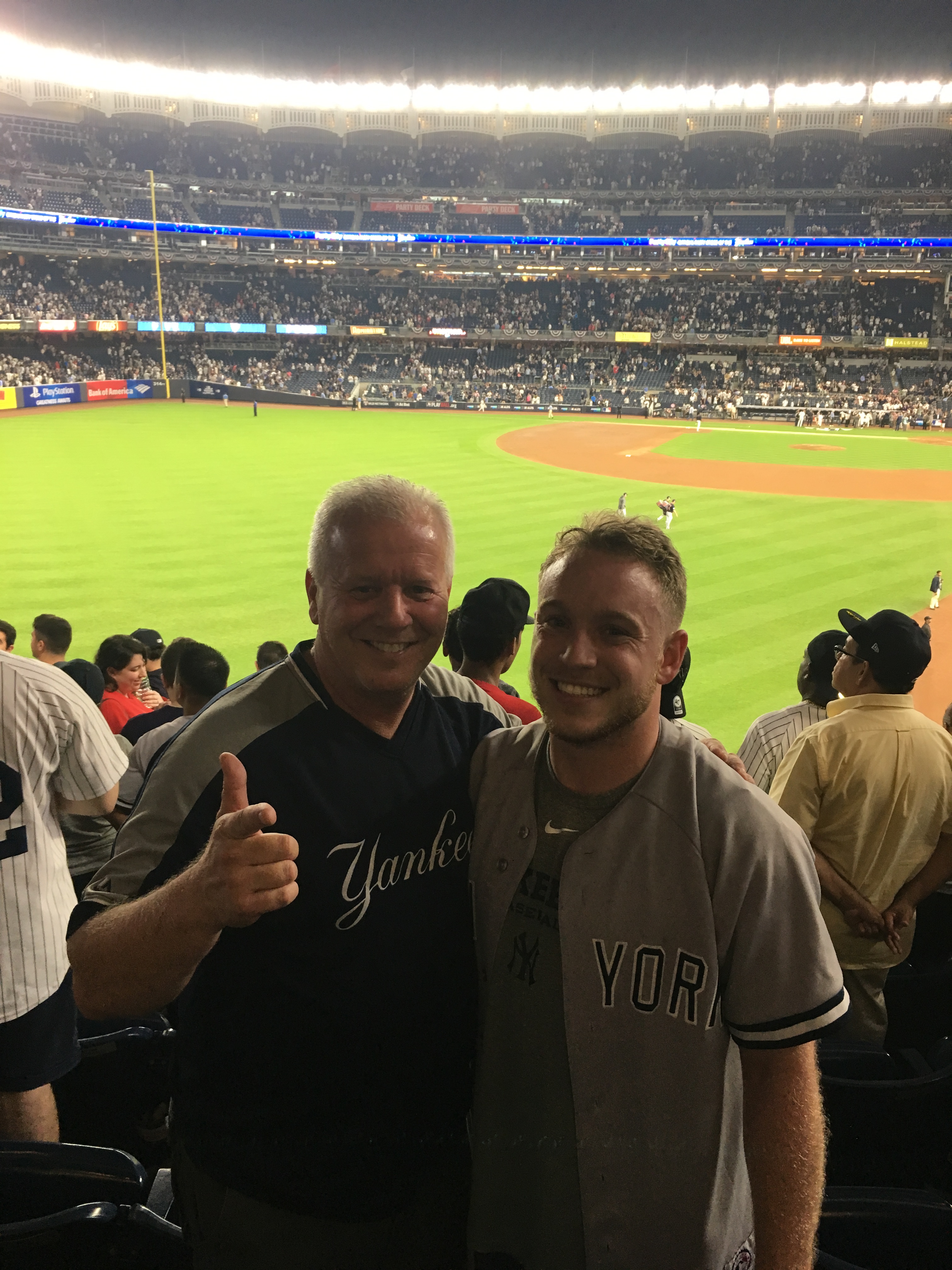
My father and I at the New York Yankees playoff game

My name is Frank Cenname and I am currently finishing this course to receive my degree. I am a Senior at Siena College and also a Marketing major. I am from Hopewell Junction, New York where I have lived here for 18 years. I moved to this area when I was 5 years old from Ossining, New York. Hopewell Junction is a very small town in Dutchess County. In Hopewell Junction, there are only 361 individuals who reside in this town. I went to Arlington High School which has an enrollment of over 3,500 kids. My graduating class was 804 students. In recent years, I’ve found myself applying my knowledge learned from college into the real world which is helping me land a job. I am pursuing a career in the sports industry and hope to be a part of a great organization.

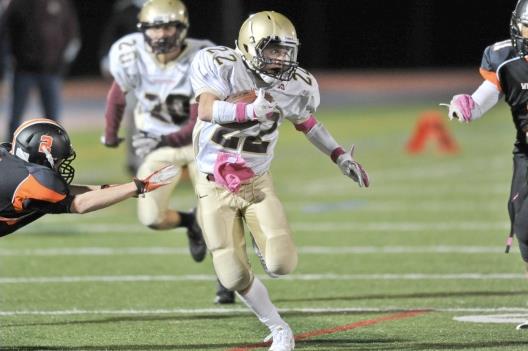
Before attending Siena College, I had to make a lot of hard life decisions. One of the main decisions was giving up playing football to focus on my studies. I have played football since I was 5 years old and was involved in several different travel programs. Football has taught me many life lessons and I was torn making the decision to hang up the cleats. This decision was hard for me but I had to make the correct decision knowing that I had no Division 1 offers and making my dream come true, playing professionally, was very small. Only about 2% of high school athletes receive a Division 1 scholarship so I knew that this was the right decision.

Eric Thomas Motivational Speaker

Deviant Subculture

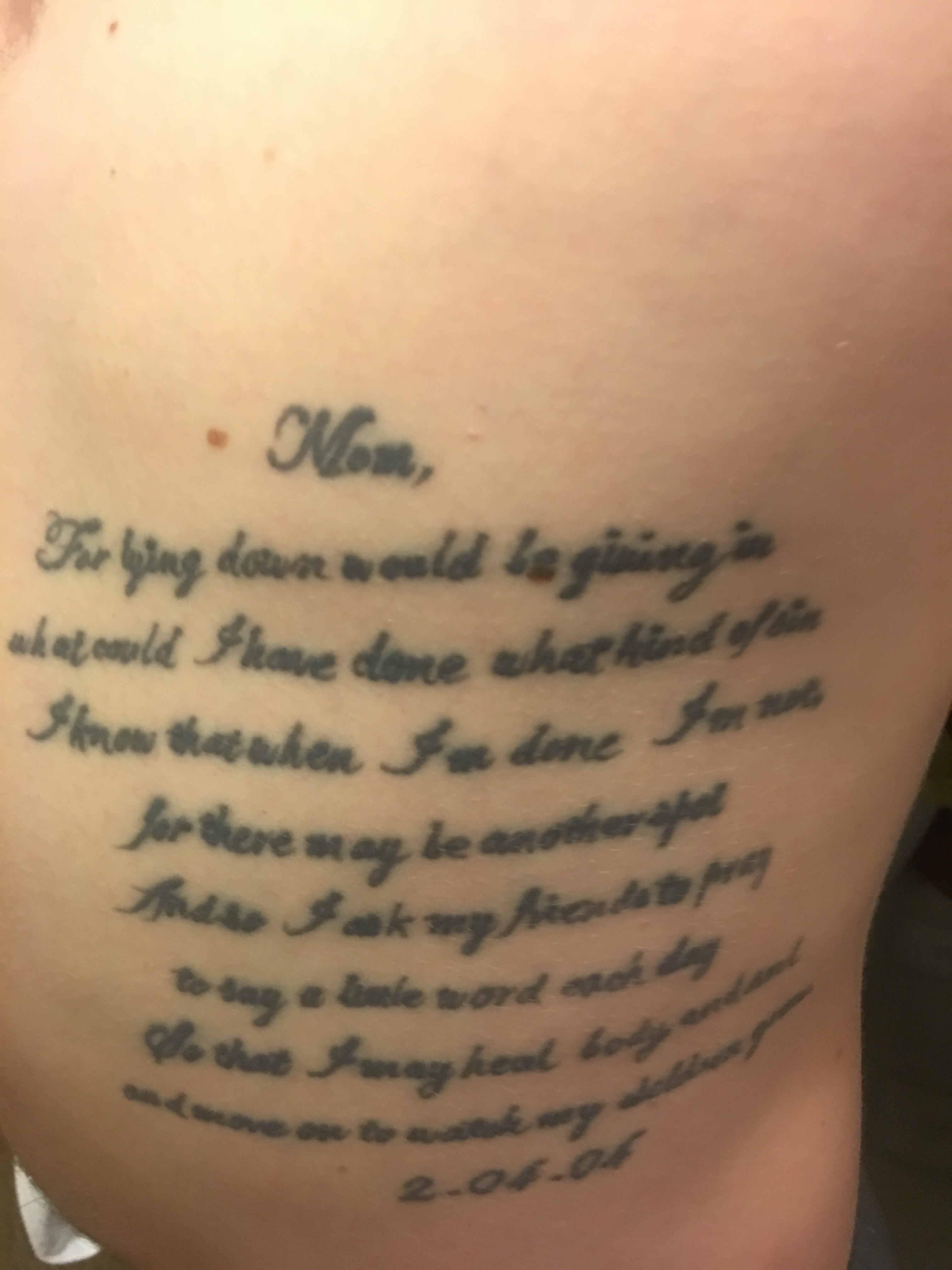
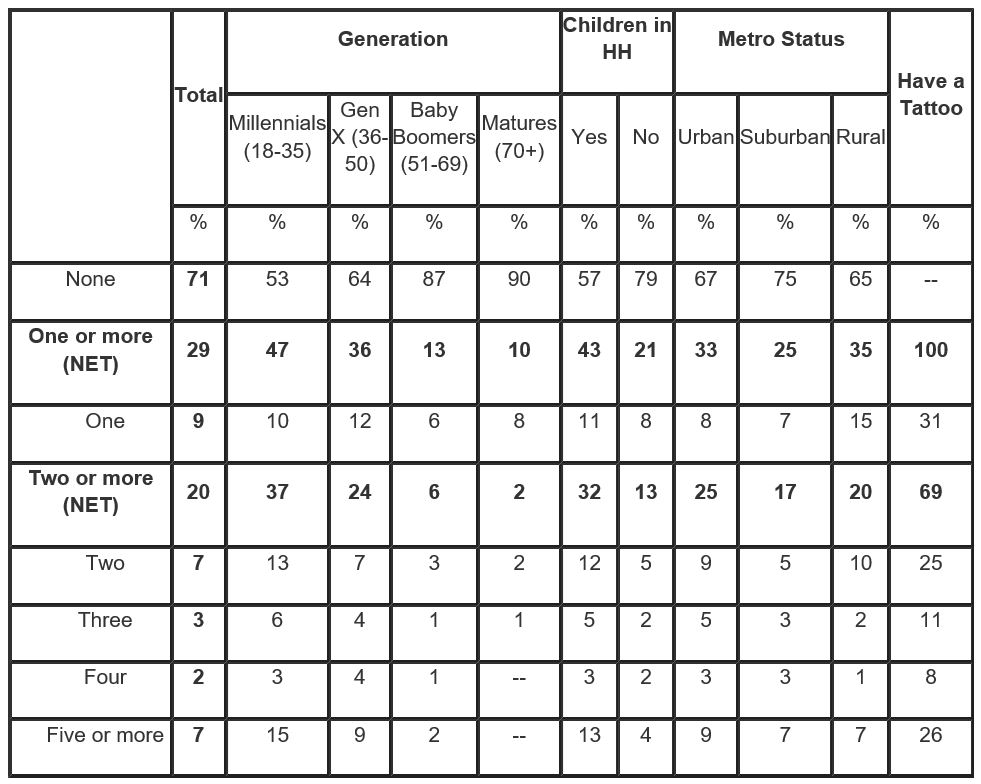
As a 17 year old, I wanted to have many tattoos. I was told by my father that I was not allowed to go and get a tattoo. I always wanted to have meaningful tattoos because I knew a lot of people who regretted their tattoos because they weren’t special. Shown above is 2 of my now 7 tattoos. These two tattoos were done while I was 17 years old. In the chart below it shows the percentages of individuals by generation and metro status who have a tattoo. Tattoos can be seen more frequently now as this can be a cultural change. I was never worried about getting my tattoos because I felt like I was “cool” and “the first one” out of my friends. A lot of parents fear that their children will be placed in a different category than others if they have tattoos. Also, as the job market has become more competitive, people are being turned away from possible jobs because tattoos are visible. All 7 of my tattoos are not visible and have a significant meaning to me.

To me it seems like tattoos are becoming very common. I am exposed to individuals who once said they would never get tattoos to now a body full of them. As I am finishing up my college career, I thought this recent study related to me. The amount of college students who have tattoos after graduating is about 30%. This number is larger than the amount of Americans who have one or two tattoos. I believe that this number is very high because of the use of social media and the way people look up to celebrities and famous athletes. There has always been a “bad look” for tattoos but it never mattered to me because I wanted to have something permanent on my body that meant a lot to me. Tattoos gave me the chance to be creative and different then the people I was surrounded by. I have had these tattoos for over 7 years now and I would never think to get them removed. The 23% of Americans who regret being tattooed does not shock me. People do like to be spontaneous and do something that they thought they wanted to do.

Outsider’s by Howard S. Becker

In Becker’s novel, he talks about what really defines an outsider. As I like to agree, an outsider may look at a matter differently than his judges. Becker states, “When a rule is enforced, the person who is supposed to have broken it may be seen as a special kind of person, one who cannot be trusted to live by the rules agreed on by the group” (1). As I stated before, many people now are to be seen with a single tattoo or several. An older generation would see tattoos as “unprofessional” or “harmful” to the human body. This is where deviance comes in. Who is to say that every individual needs to follow past generations? Everyone seems to create their own opinions on certain aspects of life and the outcome of these actions should not be frowned upon. Becker states, “…different groups judge different things to be deviant” (4). I believe that I was never uncomfortable or shunned by my peers or even my father who did not approve of tattoos in the first place. I chose to be deviant and express something I truly cared about in a different way than most. As we see now, the group of people without tattoos is beginning to dwindle down to individuals 65 and older. Many people are beginning to follow what they want to do and run with it because they feel it is right. Becker states, “…some characteristic of the person who commits it makes it necessary or inevitable that he should (14)”. The action of getting a tattoo is permanent and individuals must know that this artwork will be stuck with them for the rest of their life. The idea of moral panic, or fear, of having your body tattooed will always be an argument. Will your artwork make others think of your differently? Will this tattoo harm your chances of getting a job? At the end of the day, each individual should do as they please but know the consequences and take action in the proper way to enjoy and love the artwork.

References

Odds of Playing a College Sport from High School, http://www.scholarshipstats.com/varsityodds.html.

Areavibes. “Hopewell Junction, NY Demographics.” AreaVibes, http://www.areavibes.com/hopewell junction-ny/demographics/.

Strattex. “Tattoo Removal Statistics 2017.” Fresh Start Laser Tattoo Removal Clinic, Fresh Start Laser Tattoo Removal Clinic, 26 July 2018, http://www.freshstartlaserclinic.com/articles/tattoo-removal-statistics-2017/.

“Tattoo Statistics.” Tattoo Statistics – How Many People Have Tattoos?, http://www.historyoftattoos.net/tattoo-facts/tattoo-statistics/.“Tattoo Statistics.” Should I Tattoo, 4 Sept. 2016, shoulditattoo.com/2016/09/03/tattoo-facts-statistics/.

My Family Autobiography

My name is Frank Cenname. I am currently a senior at Siena College looking to attain my Bachelors degree after completion of this course. I am majoring in Marketing and Sports Marketing Services. After graduation, I am looking to pursue a career in the sports industry or attain a graduate assistant position at an appropriate institution.

My first semester at Siena College was in September of 2016 after I transferred from SUNY Brockport, where I was apart of the football team. I have been playing football for my entire life and I had to make the decision to stop playing football and focus on my studies. Football has brought many different experiences to my family, as I traveled throughout the North East competing at a high level. The video below is from Nike that I believe described the amount of dedication I had to put into the sport at the time and now my studies.

Senior Captains

Being apart of my football team in high school led me to meet many different individuals who are now my best friends. I consider all of these men apart of my second family and that is something I loved about the game. Comparing it to my intermediate family, we all have struggled, competed, cried and fought for what we love.

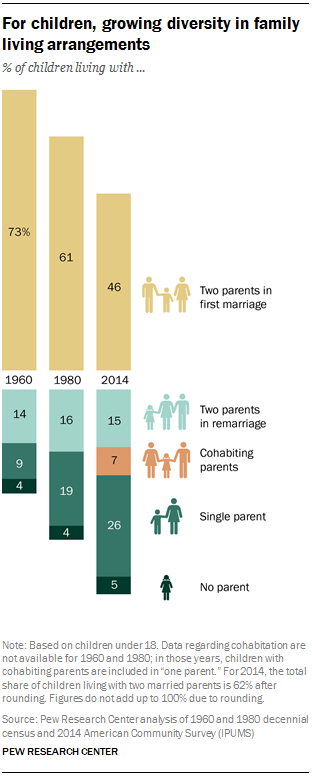
Inside of The Family: Diversity, Inequality, and Social Change, Phillip Cohen, the author, states that families are groups of people, bound by connections that are biological, legal, or emotional (Cohen 4). Many people would tend to believe that this statement goes a long way and creates what we call a family. Not every family comes together as one as many different individuals complete actions that can take them in their own direction. Whether those actions are good or bad, a family can be categorized in several different ways. From a Pew Research study, it states that many families are declining from your original two parent family. I believe that this study is relevant because in today’s world there are many different causes to raise a child without two parents. For myself, my mother was diagnosed with breast cancer and had passed away when I was a young boy. My sister, Alyssa, and I were raised a majority of our lives by just our father.

As there are many members of my family, after my mothers passing her side of the family became very distant. I still consider these individuals apart of my personal family. Cohen states, “personal families are a group of people who mutually define themselves as a family are a family, based on their own understanding of the concept related. Whom people choose to include in these groups changes from time to time and differs from place to place”(Cohen 6).

Throughout my life there has been many ups and downs. I continued to fight through it and look to my family for support. When I was 8 years old, my mother was no longer able to fight off cancer and passed away. About 1 in 8 U.S. women (about 12%) will develop invasive breast cancer over the course of her lifetime. This led my father to be raising his two children alone. My father than was granted full power of the family and accepted several different roles within our family, which can be defined in the symbolic interaction theory (Cohen 21). Growing up in a middle class family, nothing was ever given to me other than guidance and support. My father would always tell my sister and I that in life you will succeed when you work hard and care for others. Once I was able to legally attain a job, I went searching to wherever would hire. My first job was as a bus boy at a restaurant not too far from my house. My work ethic was ingrained in my mind and I will continue to work until I cannot.

From a 2010 study from the Department of Education, 50% of the college population is compromised of people whose parents never attended college. I used this stat because this related to my family. I will be receiving my Bachelors of Science in Marketing in the winter of 2019.

As a family, we decided to be apart of the rescue team and adopt our dog Luke. Luke is a Shepard and Labrador mix who was in a kill center in South Carolina. In the United States, 1.6 million dogs are adopted each year from a shelter. Luke has been a crucial part of our personal family because he brings love and laughter to our family (Cohen 6).